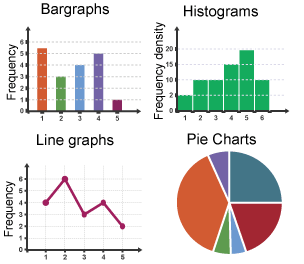
In the field of social and behavioral sciences, methodological debates have long centered on the dichotomy between qualitative and quantitative research. Quantitative methods rely on numerical data, statistical analysis, and hypothesis testing, while qualitative approaches emphasize depth, context, and meaning
Literature Review: Strategies to Make It Engaging and Effective

Writing a literature review can often feel like navigating a vast sea of ideas—each study offering its own piece of the puzzle, yet rarely fitting neatly with the others. For many students, this task becomes the most challenging part of
Ethics in Research: Protecting Participants and Ensuring Integrity

Research ethics are the cornerstone of credible, responsible, and impactful scientific inquiry. Without ethical frameworks, studies risk harming participants, producing biased results, and undermining public trust in science. In the modern era, where human, animal, and environmental research is more
Writing the Methodology Section: From Design to Data Analysis

When readers turn to the methodology section of a research paper, they’re looking for the blueprint — the precise roadmap that connects your ideas to your evidence. It’s the part of your study that transforms a theoretical question into an
Data Visualization for Research: Tools, Principles, and Mistakes

In the era of information overload, data visualization has become not just a useful skill but an essential language of modern research. Whether you are presenting climate models, survey results, or medical data, the way you visualize numbers can determine
Using AI Tools in Academic Writing: Benefits and Ethical Risks

Artificial intelligence (AI) is rapidly transforming the academic landscape. From automated grammar checkers to sophisticated language models like ChatGPT, AI tools have become an integral part of many students’ and researchers’ writing processes. These tools promise efficiency, clarity, and enhanced
Overcoming Writer’s Block in Academic Writing

Academic writing is a rigorous and rewarding process, but it often comes with one universal challenge: writer’s block. This temporary inability to produce content, organize ideas, or articulate thoughts clearly can frustrate even experienced scholars. Writer’s block in academia is
Challenges and Solutions in Multilingual Research Projects

Conducting research in a multilingual context is one of the most complex and demanding tasks in social sciences, psychology, market research, and international studies. Unlike monolingual research, multilingual projects require a careful balance between linguistic accuracy, cultural sensitivity, and methodological
Peer Review Process: How to Respond to Reviewers’ Comments

For many authors, receiving peer review feedback feels like opening a report card written by three invisible teachers who may not agree with each other. Some comments seem fair and helpful; others appear harsh, irrelevant, or even contradictory. Yet the
Avoiding Plagiarism: Best Practices in Paraphrasing and Citation

In the digital age, where millions of words are published online every minute, the temptation and risk of plagiarism have never been higher. Whether intentional or accidental, plagiarism undermines the integrity of academic and professional writing. It’s not just about